

EoE in children
Does my child have EoE?
Eosinophilic esophagitis (EoE) is a long-term (chronic) condition that can have ongoing effects and often goes undiagnosed.1,2 It’s important to get an early diagnosis so your child can get the help they need.
EoE symptoms in your child
If your child is showing any of the signs or symptoms listed below, make an appointment with an EoE specialist. This could be a gastroenterologist (GI), a pediatric GI specialist, or an allergist.3-6
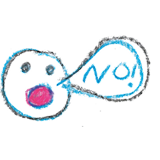
Food refusal
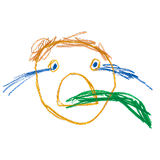
Gagging/vomiting
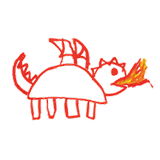
Heartburn/acid reflux
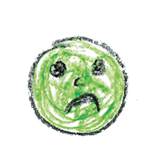
Symptoms similar to gastro-esophageal reflux disease (GERD)
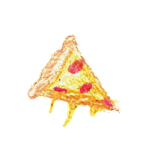
Difficulty swallowing
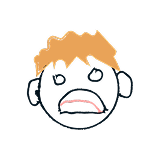
Food feeling stuck
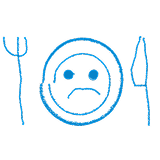
Decreased appetite

Abdominal pain
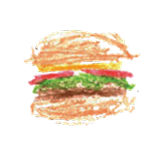
Excessive chewing
Other notable symptoms include: uncooperative around food, adding extra sauces or liquids, slow eating, irritability and failure to maintain weight and grow.
EoE symptoms by age
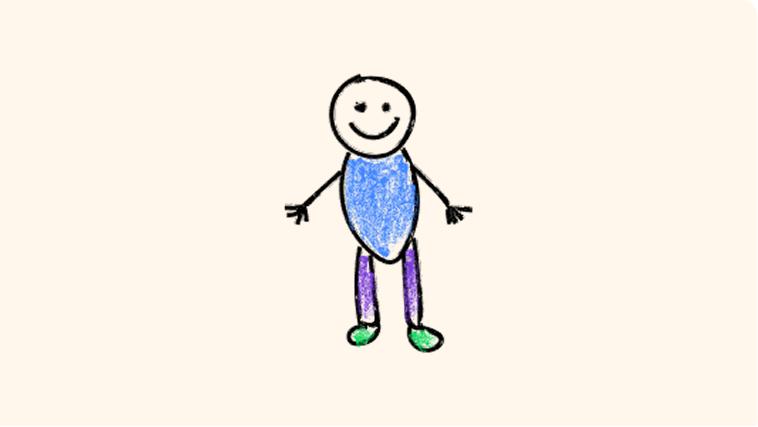
Infants/toddlers3,7,8:
Refusal to eat, irritability, gagging, choking, vomiting, failure to grow and maintain weight

School-age children3,7,8:
Vomiting, difficulty swallowing, acid reflux, abdominal pain, and decreased appetite
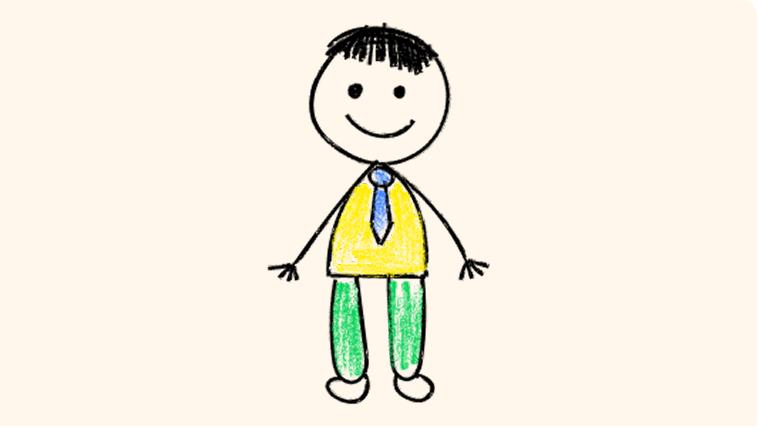
Adolescents3,7,8:
Difficulty swallowing, food feeling stuck, heartburn/acid reflux
TIP: Encourage your child to draw how eating makes them feel. This can help you and your doctor understand how EoE symptoms are impacting them.
Our EoE pediatric toolbox for caregivers has an activity to help your child do this. You might also find it helpful to take a screen shot of the symptoms listed above to discuss with your child's doctor.

Specialists will diagnose EoE
Your primary care physician or pediatrician can refer you to specialists who can diagnose EoE in your child. This will not be an ENT (ear, nose, and throat) doctor, but a different type of doctor with expertise in EoE diagnosis.

Gastroenterologist (GI)
A doctor who specializes in digestive health issues. Only gastroenterologists can perform the necessary procedures (endoscopy and biopsy) to diagnose EoE.9

Allergist
A doctor who treats allergies, asthma, and other immune conditions, including EoE.9
Ear, Nose, and Throat (ENT)
A doctor, specializing in conditions relating to the ears, nose, and throat. People with EoE may initially go to an ENT due to difficulty identifying the location of EoE symptoms.10
Confirm it’s EoE9,11
- Talk to your child’s doctor about any food or eating issues
- Get referred to a pediatric GI
- For complete care, visiting a GI and an allergist may be necessary
- To diagnose EoE, a doctor may need to perform a procedure called an endoscopy, which allows them to look inside the esophagus. They may also take a biopsy – a sample from the area.
There’s no time like the present. Use our specialist doctor locator tool to find the right person who can help your child today.

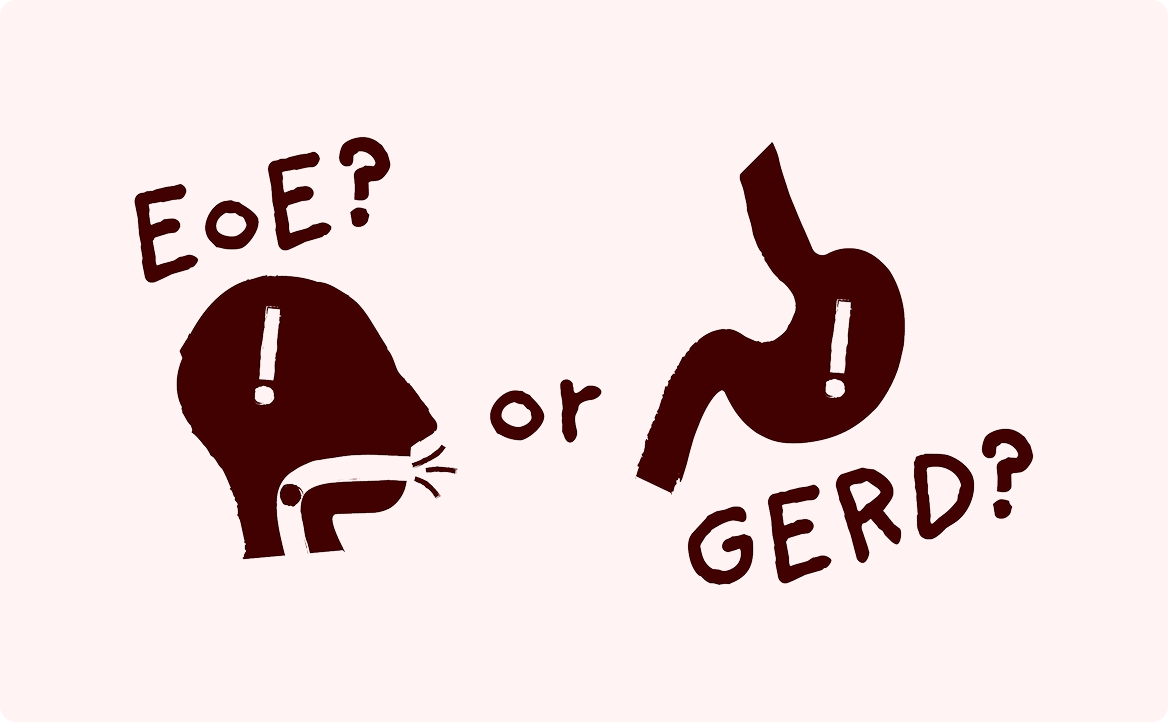
EoE is often mistaken for GERD
GERD – gastroesophageal reflux disease, occurs when stomach acids leak back into the esophagus, leading to irritation. While GERD and EoE may share similar symptoms, their treatment is not always the same.12
Remember, misdiagnosis is common in EoE.13 You may need to advocate for your child to ensure they see the right doctor and receive proper care.
Treatments if your child has EoE
Once diagnosed, it’s important to learn about your child’s treatment options. Different treatments vary based on how they’re taken and the level of symptom relief they provide.

Food elimination
The elimination of certain food groups can be used to manage EoE.3

Medical therapies
Pharmaceutical treatments to treat EoE symptoms include proton pump inhibitors (PPIs), swallowed topical steroids, and biologics.3,14,15

Esophageal dilation
A procedure that stretches the esophagus to help with swallowing.16
Involve your child
If your child is old enough, involve them in conversations about their treatment. Kids often look to their parents for reassurance, so wherever possible, try to explain things in a way they can understand. Using a calm and comforting tone when speaking can go a long way in helping them feel safe and supported. When you stay positive and confident, it helps your child feel more confident too, and can help make starting EoE treatment a little easier for both of you.

Growing up with EoE
Children with EoE may experience slowed growth due to difficulty swallowing, and food restrictions brought on from experiencing inflammation in the esophagus.3,5
Monitor your child’s growth to track their progress and ensure they’re on the right path.
EoE at school
If your child has EoE that is triggered by food, you can partner with your child's school to help manage their condition. This may include creating a healthcare plan to ensure your child's needs are met.
Accommodate: Talk to your child’s teacher, school nurse, and school administrators about any special needs they may have at mealtimes. A little planning can make a big difference in helping them feel safe and included.
Understand: Children and teenagers might feel embarrassed or uncomfortable managing their EoE, especially in social situations. Being aware of this can help you support them emotionally and guide them through any tough moments.
Plan: Explore whether your child might qualify for an Individual Education Program (IEP) or other support plans that can help them thrive at school.
Adjust: Communicate regularly with your child’s school for updates or changes related to their condition and behavior.
Caring for you
Recognizing and avoiding caregiver burnout
Being a caregiver is a demanding, round-the-clock role. Taking care of your needs and preventing burnout lets you better care for others. Consider the points below to recognize and avoid burnout:

Explore self-care strategies
Stay organized with a planner to manage appointments, medications, and dietary requirements

Find support
Join a support group for caregivers to share experiences with others in similar situations

Get tips on managing stress
Try to find time for exercise, get plenty of sleep, and be mindful of your emotional well-being
References
- Dellon ES. Gastroenterol Clin North Am 2014; 43(2): 201–218.
- Lenti MV et al. Dig Liver Dis 2021; 53(12): 1632–1639.
- American Academy of Allergy Asthma & Immunology. Eosinophilic Esophagitis. Available at: https://www.aaaai.org/conditions-treatments/related-conditions/eosinophilic-esophagitis Accessed October 2024.
- Mayo Clinic. Eosinophilic esophagitis – Diagnosis & treatment. Available at: https://www.mayoclinic.org/diseases-conditions/eosinophilic-esophagitis/diagnosis-treatment/drc-20372203 Accessed November 2024.
- American College of Allergy, Asthma & Immunology. Eosinophilic Esophagitis. Available at: https://acaai.org/allergies/allergic-conditions/eosinophilic-esophagitis/ Accessed November 2024.
- Spergel JM et al. Allergy 2020; 76(6): 1522–1524.
- Matteis AD et al. Curr Pediatr Rev 2020; 16(3): 206–214.
- American College of Gastroenterology. Eosinophilic Esophagitis (EoE) in Pediatric and Adolescent Patients. Available at: https://gi.org/topics/eosinophilic-esophagitis-in-pediatric-and-adolescent-patients/ Accessed November 2024.
- John Hopkins Medicine. Eosinophilic Esophagitis. Available at: https://www.hopkinsmedicine.org/health/conditions-and-diseases/eosinophilic-esophagitis Accessed May 2025.
- Benoit MM, et al. Eosinophilic Esophagitis: Implications for the Otolaryngologist. Available at: Eosinophilic Esophagitis: Implications for the Otolaryngologist | AAO-HNS Bulletin. Accessed May 2025.
- Teoh T et al. Can Fam Physician 2015; 61(8): 687–690.
- Wong S et al. World J Gastrointest Pathophysiol 2018; 9(3): 63–72.
- Dellon ES. Gastroenterol Hepatol 2024. 20(1): 46–49.
- Cleveland Clinic. Proton Pump Inhibitors. Available at: https://my.clevelandclinic.org/health/articles/proton-pump-inhibitors Accessed November 2024.
- Nennstiel S and Schlag C. World J Gastroenterol 2020; 26(36): 5395–5407.
- Cleveland Clinic. Esophageal Dilation. Available at: https://my.clevelandclinic.org/health/procedures/esophageal-dilation Accessed November 2024.