

Living with EoE
EoE – it’s a lot to live with
If you live with EoE, or care for someone with the condition, you know just how challenging it can be.
Understanding more about EoE triggers, looking after your well-being, and limiting long-term damage could help make managing this condition a little easier.
EoE Triggers
Your EoE symptoms can be triggered by a variety of factors from food allergy to pollen.1,2
You may even develop symptoms without a specific trigger. This may be due to the underlying inflammation that causes EoE: Type 2 inflammation.2,3
Below are some of the key triggers of EoE:

Food

Environment

Anxiety around testing
EoE triggers in detail:
Food
Food is the most common trigger of EoE symptoms. Food allergens can cause an inflammatory response, and it’s this inflammation that causes the symptoms of EoE.4
With EoE, reactions to food are delayed, so it can be difficult to pinpoint what caused them.2 The most common food triggers for EoE are:5 dairy, nuts, eggs, wheat, seafood and soy.
People with EoE might find it difficult to swallow solid food. The foods often found the most challenging are meat, bread, and foods with
rough textures.6,7
Children and teenagers with EoE often experience different symptoms to adults, such as stomach pain or vomiting.8,9 You can find out more in the EoE in children section.
Because of this, many people use workarounds to help make mealtimes easier – these can include often found. Adapting the way you eat can help you get the food down, but the problem with these habits is that they can easily become part of your daily routine. This could stop you from noticing that your symptoms are getting worse over time.
Environment
Environmental allergens are another possible trigger of EoE. They include pollen, pet dander (tiny flakes of skin shed by animals with fur), dust mites, and mold.
You might have received an allergy test for these environmental allergens as part of your EoE diagnosis.2
Anxiety around eating
Living with EoE can be challenging. The unpredictability and lack of control over EoE can cause a lot of stress and anxiety about certain situations, like eating out.9,10 Feeling fear or dread about what might happen when you eat, or feeling embarrassed about having to explain dietary or nutritional concerns, may mean you avoid social situations involving food altogether.9,10
Focusing too much on how your esophagus feels can increase your anxiety, and this can make symptoms, like difficulty swallowing, even worse.1
Adapting the way you eat can help you get the food down, but the problem with these habits is that they can easily become part of your daily routine. This could stop you from noticing that your symptoms are getting worse over time.
Looking after your mental health
Coping with the symptoms of a chronic (long-lasting) condition like EoE can take its toll. It’s a condition that can make you feel anxious and embarrassed about eating. Living with EoE can impact your well-being and can make you feel less sociable, which may affect your relationships with others.11

1 in 4 people say their condition has led to anxiety or depression11

Over 40% of people living with EoE experience disrupted sleep11
It’s important to remember you’re not alone11 – there are others who know exactly what you’re going through. Find out more and get support on your EoE journey.
Avoiding social events involving food
Living with EoE affects more than just your physical health – it also impacts your emotional well-being and social life.1,9 For example, some people living with EoE avoid social events involving food because of the anxiety and stress associated with eating.9,10
Living with EoE can affect how you feel and may lead to1,9:
Anxiety
Depression

Feeling out of control
Trouble sleeping
When you have a condition with physical symptoms, it can be easy to overlook your mental health. It might feel difficult to reach out, but speaking to your doctor is the first step to getting the help you need. Please seek support if any of the issues above are affecting you or a loved one.
Limiting chronic changes
If you have been diagnosed with EoE, you may have developed different food hacks to help you make eating easier, such as cutting your food into tiny pieces or avoiding foods with certain textures.12
Your eating habits might have changed too. For instance, you might avoid eating with other people or socializing. This can impact your quality of life and mental health by increasing your anxiety and stress levels.12 All of these changes may be referred to as "IMPACTS behaviors."
Adapting how you eat can make mealtimes easier – but the problem with these tactics is that you can get used to them. Over time, these eating habits could hide important changes in your symptoms, and prevent you from noticing that your EoE symptoms have become worse.12
This is because these IMPACTS behaviors aren’t treating the Type 2 inflammation that causes your symptoms. The longer this inflammation goes untreated, the worse your condition can become, and the more damage it could be doing to your esophagus.10,13,14
Getting an endoscopy can help your doctor assess the state of your esophagus to ensure you get the support you need.
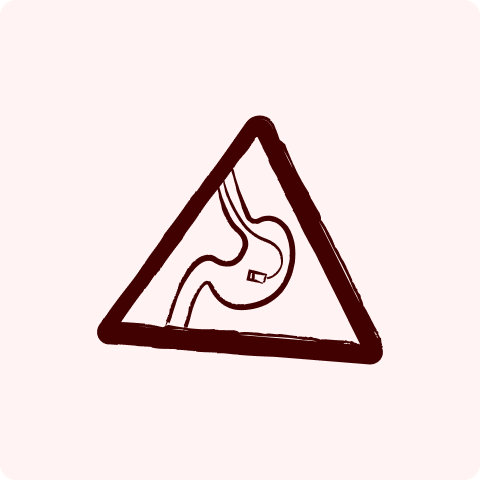

IMPACTS behaviors
Take a look at the IMPACTS behaviors and whether you can relate to any of them.
Monitor your symptoms
It’s important to recognize your food habits and track your symptoms. This information can help you make positive changes and ensure you get the support you need from your doctor at your next appointment. Our all-in-one EoE tracker can help you do this.

Learn about your treatment or management options
Having the right care plan to help you manage your EoE symptoms can make a big difference. Together with your doctor, you can create a treatment and care plan to help you get relief.

The importance of maintaining medical appointments
Your EoE might still be active even if you don't have any symptoms, or have had a procedure to dilate your esophagus.15,16
That's why it's important to keep attending checkups with your doctor. To keep track of your condition, you may still need further endoscopies and biopsies.8
Active EoE
Your EoE is counted as "active" when there are an excessive number of white blood cells called eosinophils in your esophagus. These eosinophils cause inflammation, which may lead to EoE symptoms. Your EoE can be active even if you don't have symptoms.17
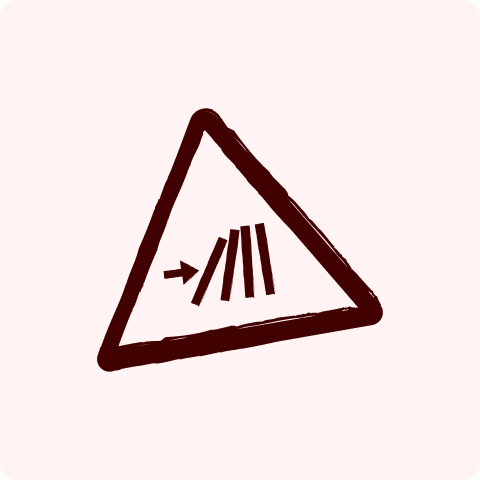
What does remission mean in EoE?
With effective treatment, active EoE can become controlled. This is also known as "remission."17 Remission means that the inflammation in your esophagus has gone down, but not necessarily that your EoE has gone away for good, or that your EoE symptoms have improved.18
EoE is a chronic, progressive condition, so inactive EoE may become active again, or worsen, in the future. Your doctor may recommend that you take treatment long term to stay in remission.18,19
Understanding EoE progression
If left untreated, your EoE can worsen over time. EoE can cause narrowing and scarring of the esophagus, which makes it increasingly difficult and uncomfortable to eat.14,16
Seasonal changes in your environment
It's not just foods that can be a trigger, sometimes the environment can trigger EoE. Environmental allergens, like pollen, can trigger EoE, meaning they can make the inflammation in your esophagus and your symptoms worse.2,5
It may feel like your EoE is worse during the spring or summer months, when pollen levels are higher.2 Talk with your GI doctor about your potential triggers and symptoms throughout the seasons so you can work together to manage your EoE year-round.

References
- Taft TH et al. Gastroenterology 2021; 161: 1133–1144.
- American Academy of Allergy Asthma & Immunology. Eosinophilic Esophagitis. Available at: https://www.aaaai.org/conditions-treatments/related-conditions/eosinophilic-esophagitis Accessed October 2024.
- Chehade M et al. Gastro Hep Adv 2022; 1(5): 720–732.
- Cianferoni A et al. Clin Exp Allergy 2019; 49(3): 269–284.
- Visaggi P et al. Nutrients 2021; 13(5): 1630.
- Carr S et al. Allergy Clin Immunol 2018; 14(2): 58.
- Guts UK. Eosinophilic Diseases. Available at: https://gutscharity.org.uk/advice-and-information/conditions/eosinophilic-diseases/. Accessed September 2025.
- Gonsalves NP and Aceves SS 2020; 145(1): 1–7.
- Pokrzynwinski R et al. Adv Ther. 2020; 37: 4458–4478.
- Gonsalves NP. Dig Dis 2014; 32(1–2): 89–92.
- Xu X et al. BMC Gastroenterology 2024; 24(1): 246
- Rooij WE et al. J Neurogastroenterol Motil 2022; 28(3): 390.
- Muir AB et al. Clin Exp Gastroenterol 2019; 12: 391–399.
- Dellon ES and Hirano I. J Gastroenterol 2018; 154(2): 319–332.e2.
- Dellon E et al. Am J Gastroenterol 2025; 120(1): 31–59.
- Bredenoord AJ et al. Am J Gastroenterol 2022; 117(8): 1231–1241.
- Godwin B et al. Ann Allergy Asthma Immunol. 2020; 124(3): 240–247.
- Maslenkina K et al. Biomedicines. 2023; 11: 3204.
- Dellon S. Clin Gastroenterol Hepatol. 2019; 17(3): 397–399.
- Safroneeva E and Schoepfer AM. Inflamm Intest Dis. 2025; 10: 10–17.